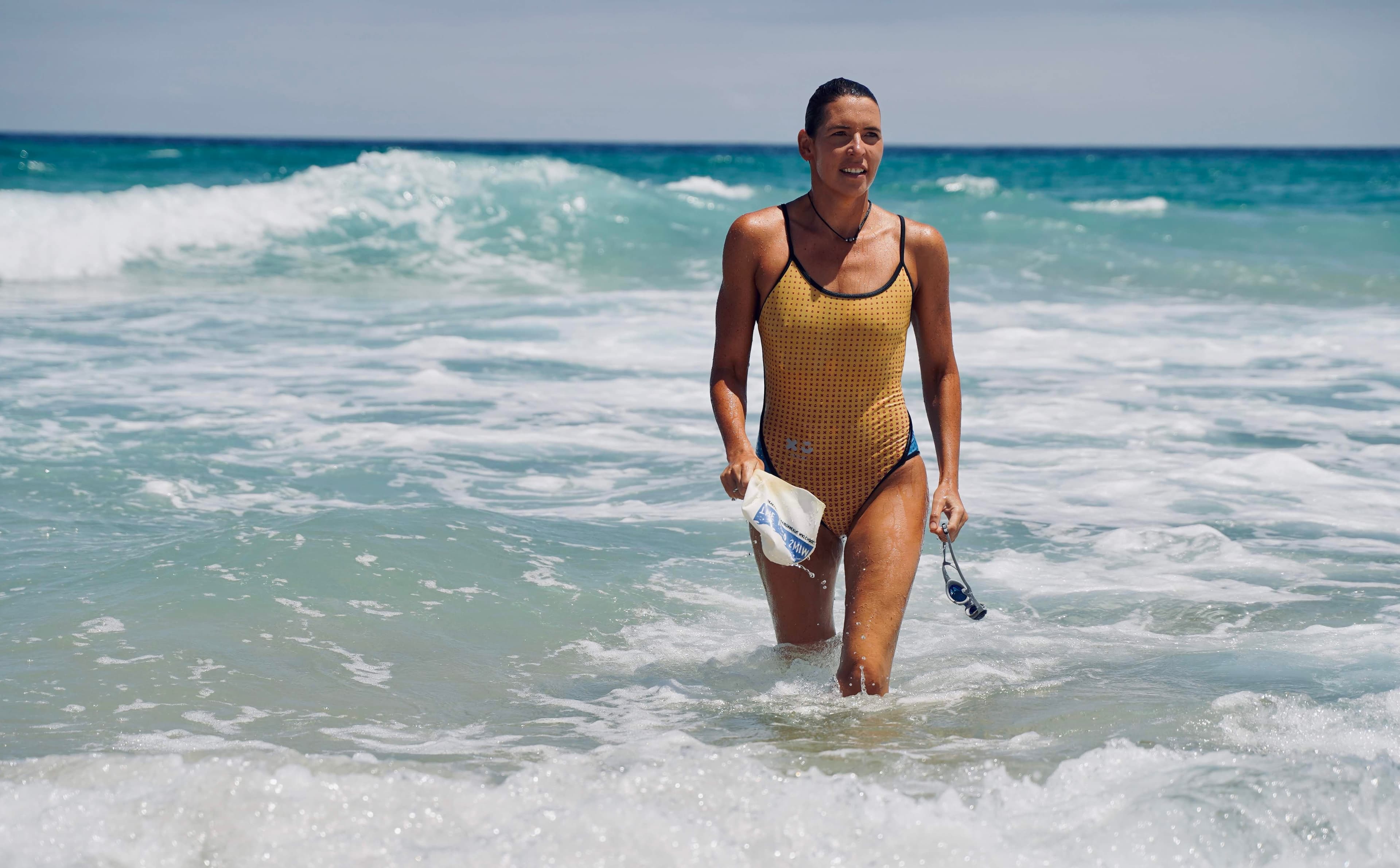
We talk about resilient people as though resilience is something you're born with. In my experience — three decades of marathon swimming, performing and building businesses — it's the opposite. Resilience is built, deliberately, in the unglamorous moments long before the challenge arrives.
It's built in training, not on race day
Nobody swims the English Channel on willpower alone. The crossing is won in the cold, dark training swims months earlier — the sessions no one applauds. Workplace resilience is the same: it's the habits, relationships and recovery you bank quietly, so they're there when pressure hits.
Break the impossible into one more stroke
When conditions turn brutal mid-swim, "finish the crossing" is paralysing. "One more stroke" is doable. Resilience is largely the skill of shrinking an overwhelming challenge down to the next small, controllable action — and trusting those actions to add up.
Reframe the setback
Cold, current, fatigue, fear — you can't negotiate with the ocean. What you can control is the story you tell yourself about it. The limitations we face are so often just the stories we repeat. Change the story, and you change what's possible.
Recovery is part of the work
Resilient people aren't the ones who never break — they're the ones who recover well. Rest, reflection and asking for help aren't weaknesses in the system; they are the system.
Resilience isn't a gift handed to a lucky few. It's a practice anyone can build — one honest, repeated choice at a time.
Bring Carina to your stage.